Many students in Lahore are now seeking short, practical courses rather than long degrees. One option that keeps coming up is a
medical billing course in Lahore. The reason is clear: Healthcare jobs are expanding, and hospitals require specialists to manage billing and insurance. It isn’t a typical medical role, but it’s essential to hospital operations.
Online courses in pakistan have also increased interest in this field. Many avoid long classroom sessions, preferring to learn remotely and enter the workforce sooner. Institutes like IPS Uni are offering training in this area, especially for beginners who don’t know anything about billing or healthcare systems. So let’s go step by step and understand what this career actually looks like.
What Medical Billing Actually Means
Medical billing sounds technical, but the idea is pretty simple.
Whenever someone visits a hospital, there’s a bill involved. That bill is not just a number. It has to go through insurance companies, approvals, codes, and records.
Medical billing course is basically handling all of that.
A typical process looks like this:
- Patient details are collected.
- Insurance is checked
- Medical codes are added.
- A claim is prepared
- It is sent to the insurance company.
- Payment is tracked
- If something is wrong, it is fixed and sent again.
Even minor errors can delay payments. That’s why hospitals rely on trained professionals for billing.
Why People in Lahore Are Choosing This Career
If you look at job trends in Lahore, healthcare is one of the few sectors that continue to expand. New clinics, labs, and hospitals are opening all the time.
This, alone, creates substantial job demand.
But there are a few other reasons students are interested:
This field doesn’t require a medical degree, making entry simpler. Training is brief, so you start your career quickly.
Many also like that remote work is possible, with opportunities to work for companies abroad from home.
As a result, medical billing course in Lahore are now a practical choice for many newcomers.
What You Actually Learn in This Course
Students often assume it’s just data entry, but it’s much more structured.
A formal course systematically teaches hospital billing management.
Training begins with basic hospital and insurance processes. Then you progress to medical terminology—challenging at first, but routine with practice.
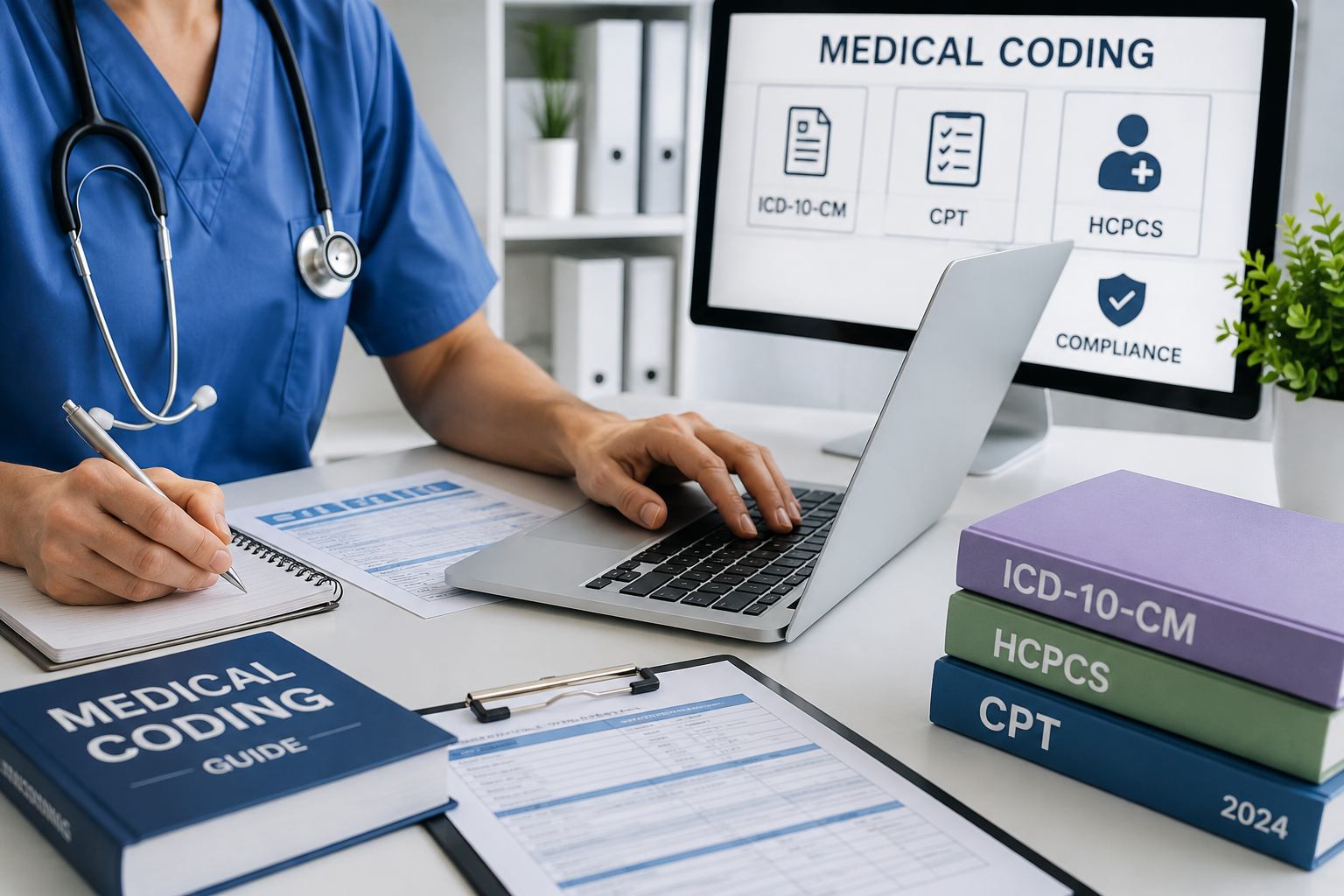
The next step is medical coding—assigning specific codes to treatments and services. Insurance companies rely on these codes to interpret services rendered.
You’ll learn to generate and submit claims, and handle rejections—a regular occurrence in this profession.
You also receive software training. Most employers use specialized billing systems, so you become comfortable in that digital environment.
IPS Uni’s step-by-step approach helps beginners avoid confusion.
Online Learning in Pakistan (Why It’s Becoming Normal)
Previously, online courses in Pakistan, but they have become increasingly accepted.
Students prefer online study for its efficiency and convenience, especially working professionals who cannot attend in-person classes.
Online courses in Pakistan let you learn at your pace and replay lectures as needed—especially valuable in technical subjects like billing.
Medical billing course in lahore fits this style very well because it doesn’t require physical labs or equipment. It’s mostly skill-based learning.
That’s why institutes like IPS Uni also provide online options for students who want flexibility.
Skills You Slowly Build During Learning
No one needs prior expertise. Core skills develop during training.
Basic computer skills are enough to begin. All else is taught step by step.
Attention to detail is critical. Mistakes in data or coding can create significant problems.
Familiarity with medical terminology improves with practice, though it seems complex initially.
Effective communication is vital when collaborating with insurers or internal teams.
Tasks aren’t difficult, but consistency is more important than complexity.
How Long It Takes to Learn
This depends on how deep you want to go.
Some finish basic training within a month or two. Others take longer and progress at their own pace.
Most medical billing course in Lahore are completed within several weeks to a few months.
Training lasts months—not years—making it a practical gateway career.
Common Reasons Claims Get Rejected
This phase is significant—claim rejections are common in real jobs.
Most problems are simple mistakes:
- Wrong patient details
- Missing papers
- Coding errors
- Duplicate entries
- Insurance not active
It’s not about big issues. Most of the time, it’s small things that get missed.
Training emphasizes rigorous detail verification.
Where You Can Work After Learning
Course completion provides broad employment flexibility.
Opportunities exist in hospitals, clinics, insurance firms, billing firms—even in remote roles for overseas clients.
Remote healthcare billing jobs are increasingly common.
You can work for international firms while staying in Pakistan.
Salary Side (Simple View)
Earnings generally correspond to experience.
Entry-level positions pay modestly; gains come with skill and speed.
Those billing for overseas clients often earn higher wages than local roles.
Compensation increases gradually with experience.
Conclusion
Medical billing isn’t complicated once you grasp the system. Practice and precision matter more than theory.
In Lahore, demand is slowly growing, especially with more hospitals and clinics opening.
For beginners, institutes like IPS Uni make it easier to get started without confusion.
It’s a steady, practical, and skill-based field—qualities many students value today.
FAQs
How long does it take to learn?
Training lasts several weeks to a few months, based on practice.
Why do claims get rejected?
Most rejections occur due to incomplete information or coding mistakes.
Do I need a medical background?
No, you can begin at the entry level.